

Exploring the Rich History of The Natchez Trace State Park
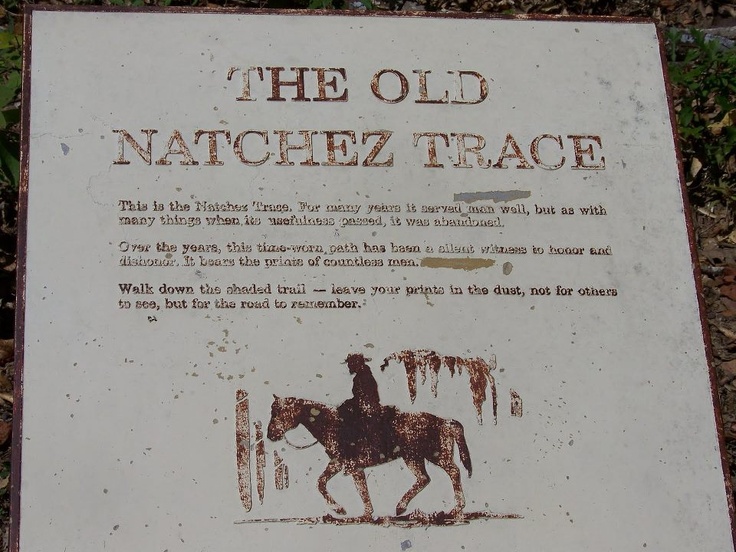
Hidden in the quiet woodlands of western Tennessee, the Natchez Trace State Park stretches across more than 48,000 acres of forests, lakes, and winding trails. Located near Wildersville and spanning Henderson, Carroll, and Benton Counties, the park sits along an alternate route of the Old Natchez Trace. This route is on the opposite side of the Tennessee River from the Natchez Trace Parkway, a reminder that the Trace was never just one road, but a network of pathways shaped by the people and landscapes of the region.
Visiting today feels like stepping into a landscape where centuries overlap, with stories of the Old Trace still present in the ridgelines, the quiet forests, and the waterways that have guided travelers for generations.
A Landscape Shaped by Generations
While the Natchez Trace Parkway often gets the spotlight, this state park carries its own rich connection to the ancient travel routes that came long before it. The land that now forms the park began as animal migration corridors and later became essential American Indian trade and diplomatic routes, linking communities across the Southeast.
These paths followed natural features like ridgelines and waterways, making travel easier through dense forests and rolling terrain. Over time, these routes evolved into portions of the historic Natchez Trace, used by traders, diplomats, settlers, and “Kaintucks” returning north after floating goods down the Mississippi River.
A New Deal Legacy
Much of what visitors enjoy at Natchez Trace State Park today can be traced back to the Civilian Conservation Corps (CCC), whose work in the 1930s transformed the area into a haven for recreation and conservation. CCC crews restored eroded farmland, built roads and trails, and constructed the early facilities that helped shape the park’s identity.
Their craftsmanship, from stonework to shoreline improvements, remains visible throughout the park. It’s a reminder that the Trace’s story didn’t end with the frontier era. It continued through the New Deal, through decades of stewardship, and into the present day as travelers continue to find refuge here.
Where History Meets Outdoor Adventure
Today, Natchez Trace State Park blends its rich heritage with a wide range of outdoor experiences. Visitors can explore:
- Miles of hiking, biking, and horseback trails that follow old roadbeds and natural ridgelines.
- Pin Oak, Cub, and Browns Lakes are perfect for fishing, paddling, or simply enjoying the stillness of the water.
- Rustic cabins, modern campgrounds, and backcountry sites that offer a peaceful retreat into nature.
- Educational programs for classrooms and field trips, where Tennessee State Parks educators bring history and nature to life through hands‑on, ranger‑led learning.
Plan Your Visit
Whether you’re exploring Tennessee for the first time or rediscovering a familiar place, Natchez Trace State Park offers a meaningful blend of history, nature, and adventure. To learn more about the stories that shaped the region, explore additional features from the Natchez Trace Compact, including our guides to the Parkway’s history, cultural landmarks, and hidden gems along the route.


